
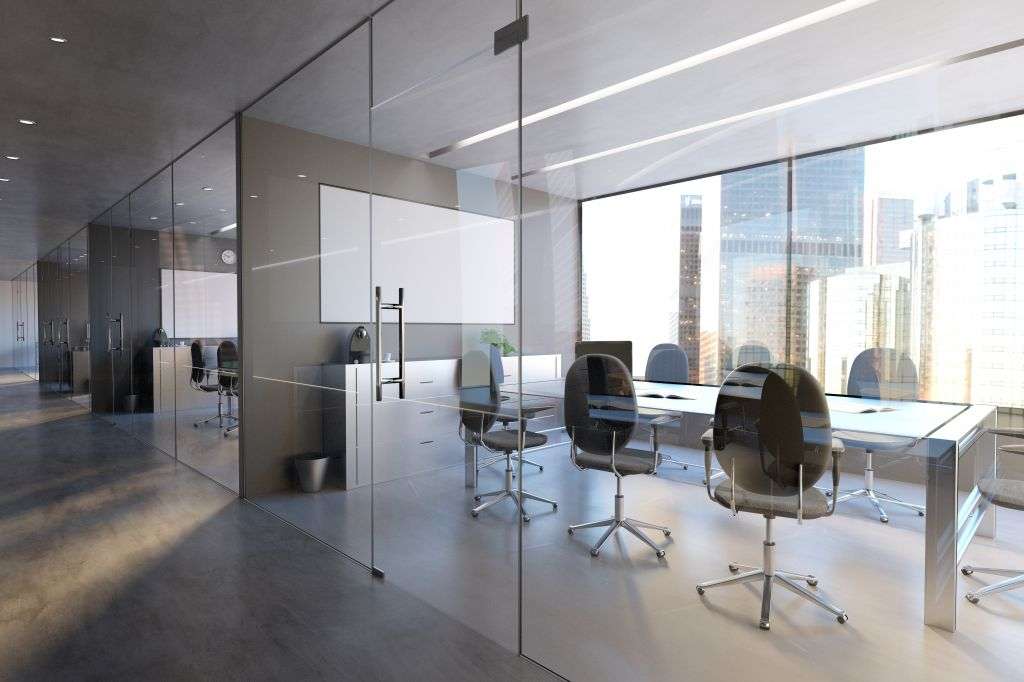
Hardware designed for glass plays a pivotal role in contemporary architecture and interior design. From the elegant glass‑and‑metal pyramids that welcome visitors to the Louvre to frameless shower enclosures in modern homes, glass hardware makes minimalist transparency possible while ensuring strength and safety. Modern glass fittings allow entire walls, doors and furniture fronts to be transparent without sacrificing durability or security. Understanding how this specialized hardware evolved and what materials and types are available helps homeowners, architects and DIY enthusiasts choose pieces that perform and inspire.
History and Evolution of Glass Hardware
From Medieval Stained Glass to Modern Doors
The idea of adding glass to architectural openings began centuries ago. A post by Summit Doors explains that glass first appeared in buildings during Roman times as simple windows, but using glass in doors evolved slowly because early glass was fragile and hard to make. In the Middle Ages stained‑glass panels were used in grand cathedrals and churches to tell stories and fill sacred spaces with coloured light. These early uses were largely decorative and spiritual.
Renaissance and Industrial Innovation
During the Renaissance, glass production techniques improved and the material became more accessible. Doors for affluent homes and public buildings started incorporating decorative glass panels, reflecting the period’s emphasis on art and beauty. The Industrial Revolution transformed glass hardware. Mass‑production techniques allowed tempered and laminated glass to be produced at scale, making it strong enough for door panels. Summit Doors notes that this made glass doors affordable for middle‑class homeowners and enabled wider use of glass in architecture.
Birth of the Glass Door Knob
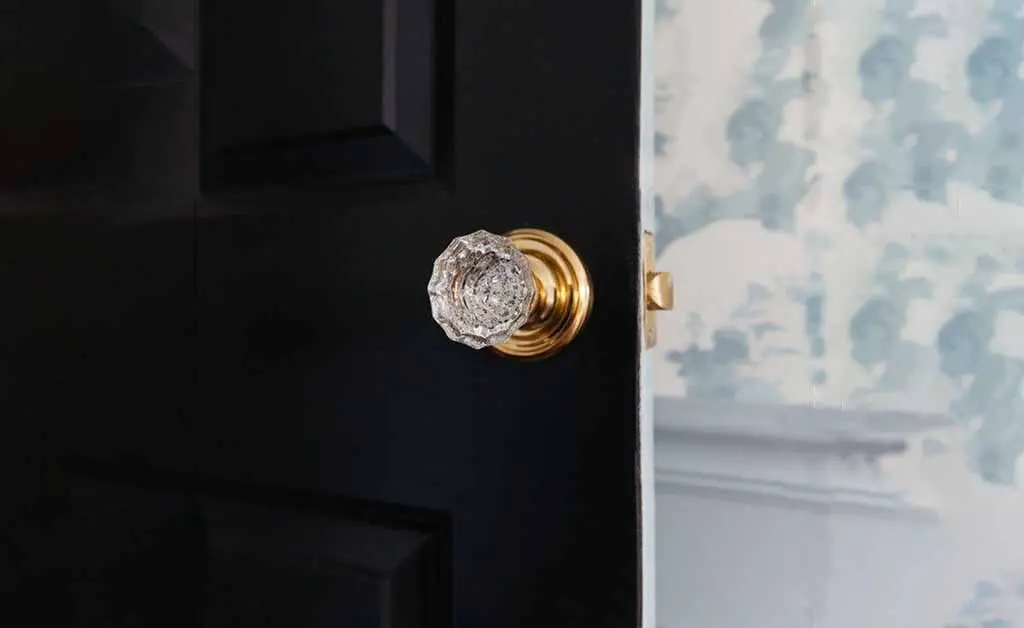
Hardware specifically designed for glass saw a major milestone in the early 1800s. Nostalgic Warehouse recounts how a growing middle class desired more ornate home furnishings, and glass door knobs offered the decorative appeal that metal or wood handles lacked. The Boston and Sandwich Glass Company produced some of the first glass knobs in the United States. During World War I, metals like brass and iron were needed for the war effort; glass knobs became popular because they required less metal and were available in clear or coloured designs. Today, crystal door knobs remain prized for their vintage charm.
Modernism and Transparent Architecture
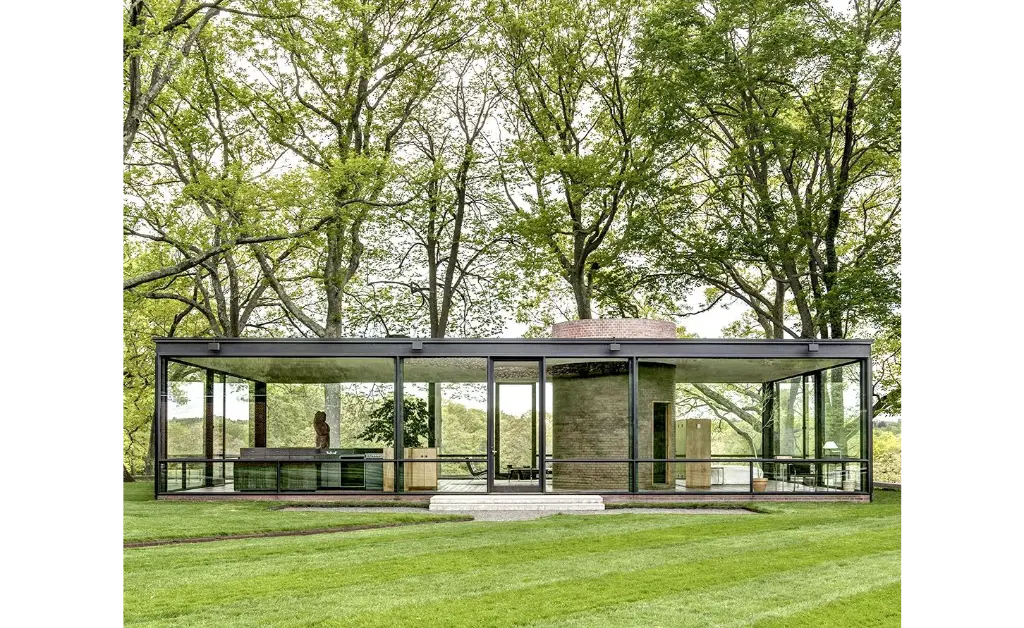
Modernist architects pushed glass to its structural limits. Philip Johnson’s Glass House in New Canaan, Connecticut (1949) uses a single‑storey pavilion made almost entirely of glass panels supported by steel columns; the design removes interior walls to blur boundaries between inside and outside. This iconic house demonstrates how glass hardware—strong hinges, discreet connectors and precise locks—enabled minimalist transparency. Another famous example is the Louvre Pyramid in Paris. Completed in 1989 as part of I.M. Pei’s Grand Louvre project, the pyramid serves as the museum’s main entrance. The structure comprises 603 rhombus‑shaped and 70 triangular glass segments supported by metal poles, allowing natural light into the underground lobby. Both structures rely on engineered glass hardware to connect large glass panels safely and elegantly.
Types of Glass Hardware
Selecting the right hardware involves understanding the different components that make glass installations functional and secure. Industry guides, such as Allwin Hardware’s glass door hardware overview, categorize these components as follows:
Hinges
- Glass door hinges allow doors to swing smoothly. They come in concealed or exposed styles and are often made from durable stainless steel or brass for stability. Specialized hinge types include:
- Butt hinges – join the glass door to its frame. D&D Hardware notes that butt hinges are available in stainless steel, brass and aluminium and offer a classic look.
- Continuous (piano) hinges – run the full length of the door to distribute weight and prevent sagging, making them ideal for high‑traffic doors.
- Offset hinges – move the pivot point away from the frame to create wider openings and enhance accessibility.
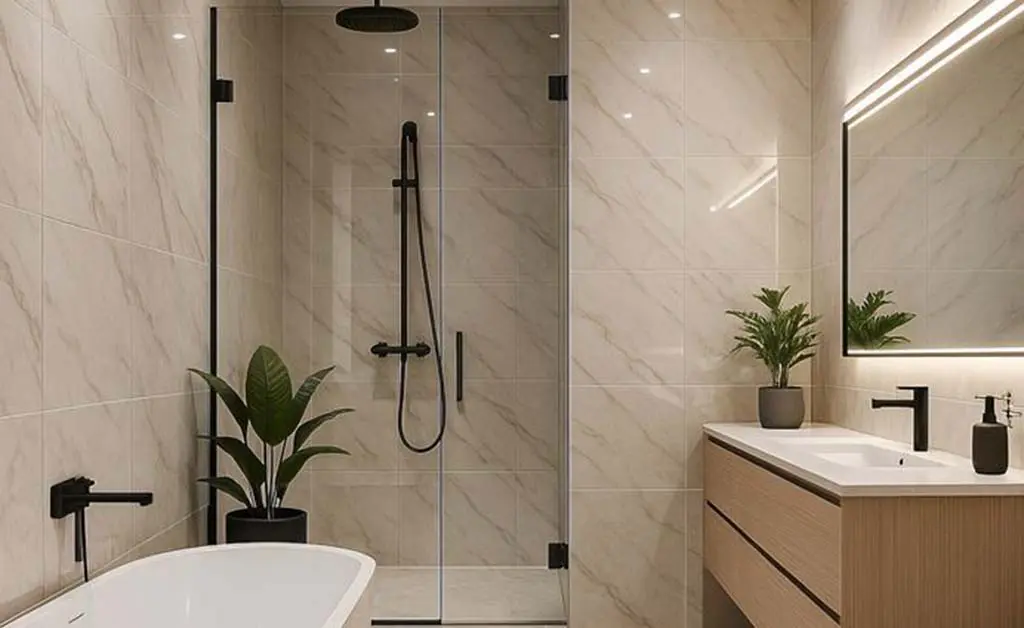
- Glass‑to‑glass hinges – connect two glass panels for frameless doors; they are common in meeting rooms and shower doors.
- Wall‑to‑glass hinges – secure a glass door to a wall and are offered in different angles (90°, 135° and 180°). They are made from brass or stainless steel and support specific glass thickness and weight.
Handles and Pulls
- Glass door handles provide the contact point for opening and closing. They come in various shapes and finishes—ranging from minimalist tubular pulls to ornate designs. Allwin notes that stainless steel and brass handles balance durability with aesthetics.
- Pull handles and knobs for cabinets or furniture can be made of glass or crystal for decorative appeal.
Locks and Latches
- Glass door locks include lock handles and integrated locking mechanisms. Allwin emphasizes that locks must offer security while complementing the overall design.
- Latches and bolts secure sliding or pivot doors. Some locks clamp directly onto the glass panel without drilling.
Clamps, Standoffs and Connectors
- Glass clamps and connectors hold panels together or attach them to railings or frames. Made from stainless steel or brass, they provide stability without obstructing the view.
- Glass standoffs elevate panels away from walls or surfaces, creating a floating appearance while maintaining a minimalist aesthetic.
- Patch fittings and spigots are specialized clamps used for frameless doors, balustrades and fencing.
Rail and Sliding Systems
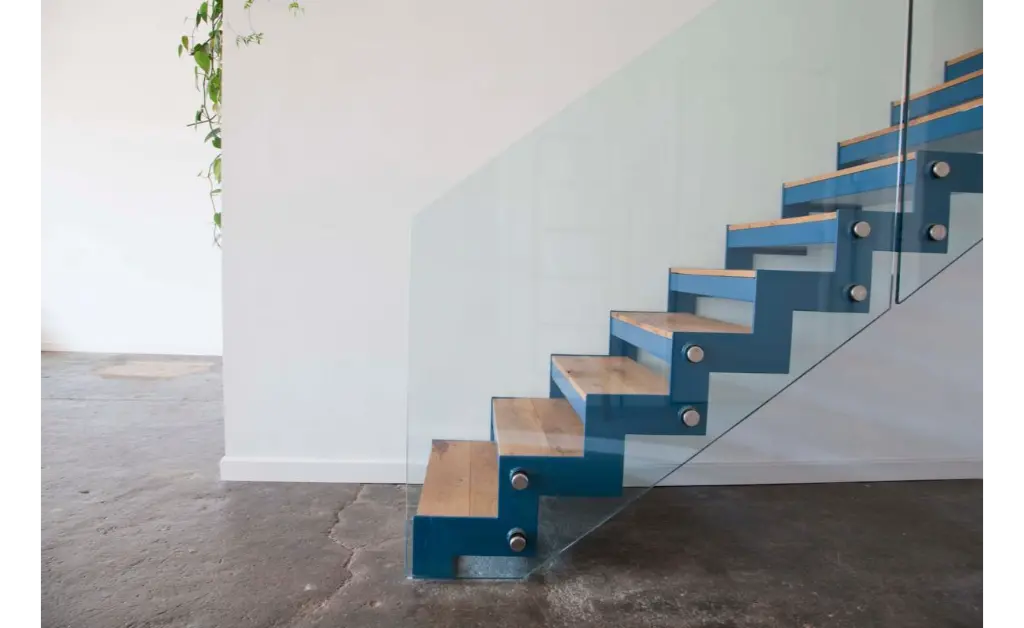
- Glass railings use brackets and clamps to secure glass balustrades on staircases, balconies or decks. They provide unobstructed views while ensuring safety.
- Sliding door hardware includes tracks, rollers and brackets that allow glass doors to glide smoothly. These systems save space and are widely used in residential and commercial settings.
Materials Used in Glass Hardware
The choice of material influences a hardware component’s durability, appearance and maintenance requirements. Entry‑Point’s guide to architectural door hardware explains the pros and cons of common materials.
|
Material |
Key characteristics | Recommended uses |
|
Stainless steel |
Highly resistant to corrosion and easy to clean; ideal for exterior doors and high‑use areas. |
Exterior doors, commercial buildings and places exposed to moisture. |
|
Brass |
Warm, classic appearance; naturally antimicrobial and long‑lasting. Finishes include antique, brushed and polished brass. |
Interior doors, vintage or traditional designs, decorative knobs. |
|
Bronze |
Durable metal that develops a patina over time, giving a rustic look. | Rustic or coastal homes; outdoor hardware with a weathered aesthetic. |
|
Zinc alloy |
Cost‑effective and versatile; can mimic other metals. | Decorative interior hardware and budget projects. |
| Iron | Extremely strong but prone to rust if uncoated. |
Heavy hinges and industrial‑style hardware. |
| Aluminum | Lightweight, rust‑resistant and easy to install. |
Coastal homes, gates and commercial projects. |
| Glass or crystal | Adds elegance and sparkle; used mainly for knobs and pulls. |
Interior decorative hardware like cabinet pulls or vintage‑style door knobs. |
Allwin’s blog reinforces that stainless steel and brass are the preferred materials for glass door hardware because they resist corrosion and provide strength, while aluminum and zinc offer cost‑effective alternatives.
Benefits of Using Glass Hardware in Design
Choosing glass hardware delivers more than just aesthetic appeal; it influences how a space feels and performs.
- Natural light and openness: Glass fittings allow daylight to penetrate deeper into interiors. Raben Glass notes that glass contributes to bright, airy rooms and makes spaces feel larger and more connected. Glass partitions and walls maintain visual continuity without enclosing areas.
- Modern aesthetics: The transparency and clean lines of glass align with minimalist and contemporary design trends. Glass doors and hardware add sophistication and can upgrade both residential and commercial spaces.
- Energy efficiency: When used with double‑ or triple‑glazed panels, glass doors can improve insulation and reduce energy costs. Natural light also decreases reliance on artificial lighting.
- Versatility and flexibility: Glass hardware enables partitions, doors and furnishings that delineate spaces while maintaining unity. Glass doors can serve as room dividers, shower enclosures or entryways without blocking views.
- Safety and durability: Modern tempered or laminated glass is designed to withstand impacts and resist shattering. High‑quality hardware—such as rust‑proof hinges, durable clamps and secure locks—ensures installations remain safe.
Famous Examples of Glass Hardware in Architecture
Several iconic structures showcase how glass hardware can transform design:
The Glass House (1949)
Architect Philip Johnson’s Glass House is a one‑story glass pavilion supported by steel columns. The design eliminates interior walls, creating unobstructed views and a seamless connection with the surrounding landscape. Large glass panels rely on specially engineered hinges, clamps and structural connectors to remain stable. The building demonstrates how minimalist hardware can make a transparent structure both functional and inspiring.
Louvre Pyramid (1989)
I.M. Pei’s Louvre Pyramid serves as the main entrance to the Louvre Museum in Paris. Completed in 1989, the glass‑and‑metal structure measures 21.6 m (71 ft) in height and covers a base area of 1,000 m². It uses 603 rhombus‑shaped and 70 triangular glass segments to admit daylight into the underground lobby. High‑strength connectors, fittings and cables hold the panels together, illustrating how glass hardware enables ambitious architectural forms.
Conclusion
The evolution of glass hardware—from medieval stained‑glass panels to modern hinges and locks—has paralleled advances in glass production and architectural design. Early glass knobs offered homeowners decorative alternatives during the 1800s, while industrial innovations paved the way for tempered glass doors and modernist structures like the Glass House. Today’s range of hinges, handles, locks, clamps and sliding systems provides countless options for designers and DIY enthusiasts. Materials like stainless steel, brass, bronze and aluminum offer varying degrees of strength, corrosion resistance and aesthetic appeal. Beyond their practicality, glass hardware components invite natural light, support energy efficiency and embody contemporary style. By understanding the history, types, materials and benefits of glass hardware, you can confidently choose fixtures that elevate both form and function in any space.