
Understanding Door Hardware Options
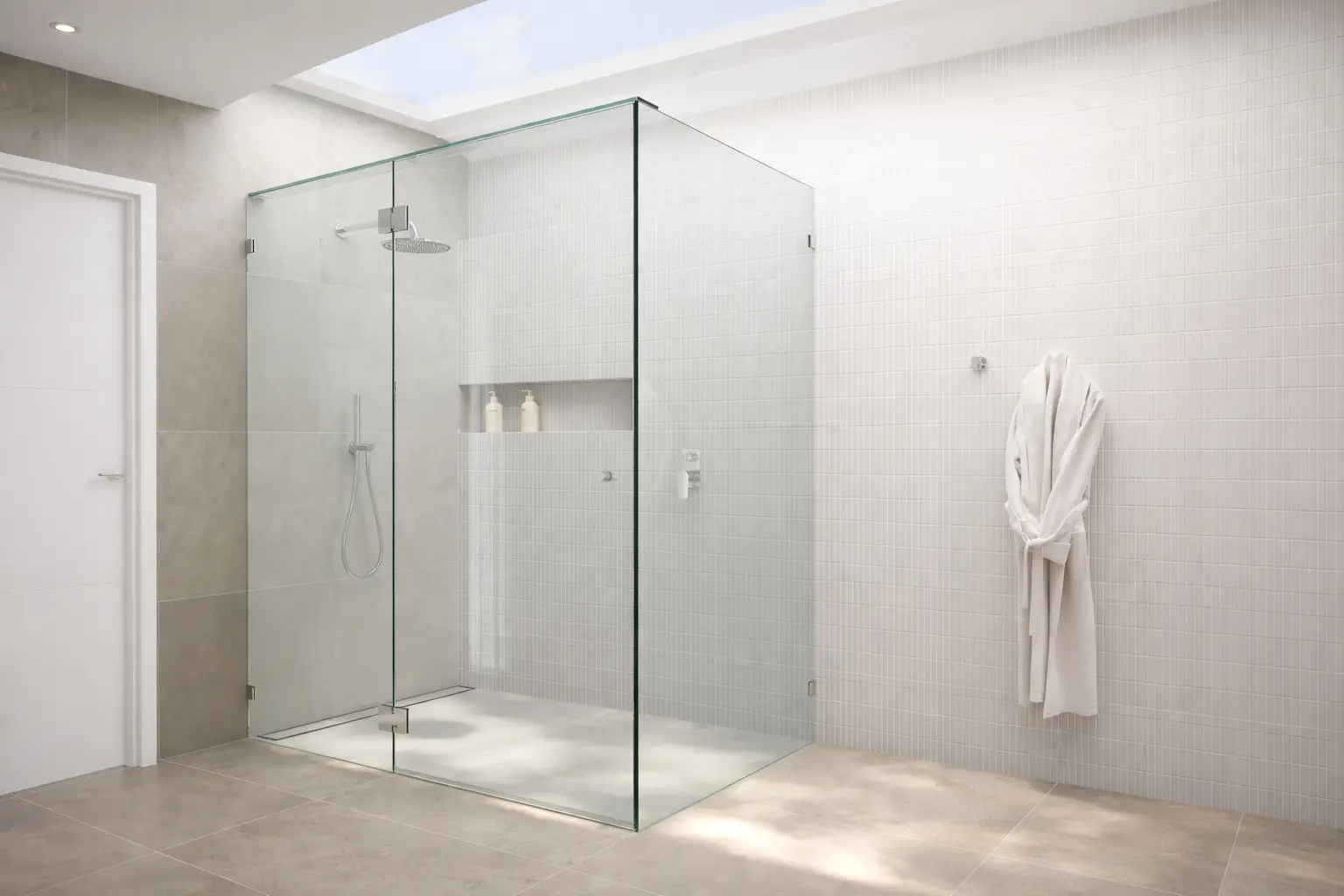
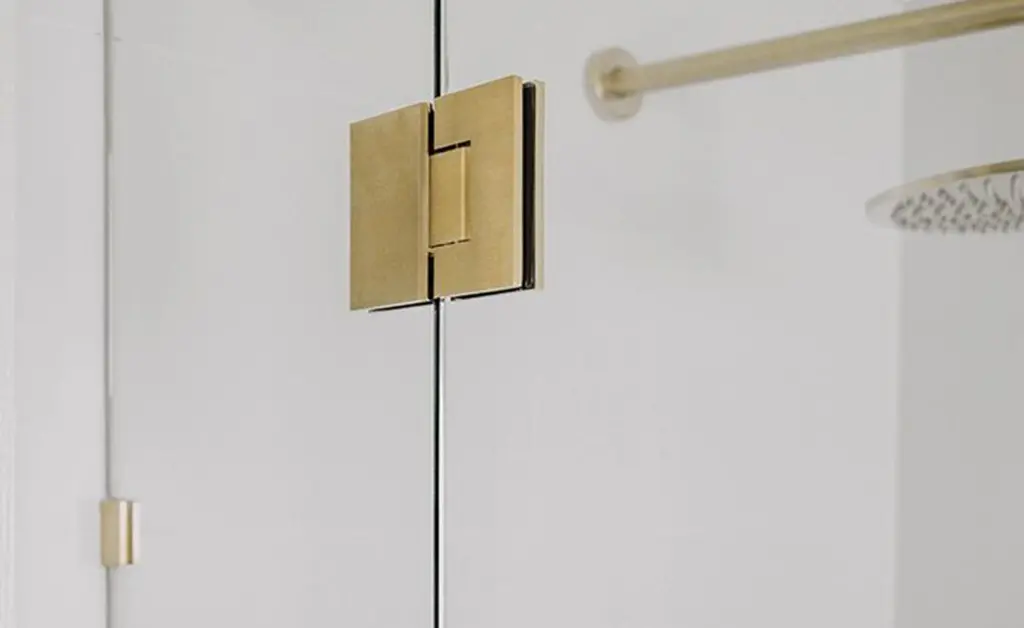
Glass doors depend on specialized hardware to function safely and look elegant. In addition to standard door latches and handles, glass doors require hinges engineered for the weight and fragility of glass, locks that secure without damaging the panels and pulls that complement their minimalist aesthetic. Material choice also matters: manufacturers such as Allwin note that stainless steel hardware offers strong corrosion resistance, brass delivers a classic look but is softer, and aluminum or zinc components are more economical for lighter‑duty applications. This section summarizes the main categories of hardware used on glass doors.
Hinges and Pivots
Hinges connect the glass panel to the frame or adjoining panel and allow it to swing open. Options range from standard wall‑to‑glass hinges to specialized pivots. Center‑hung pivots position the door’s axis at the center of its width, allowing double‑acting movement (the door can swing both ways) and full 360‑degree rotation; they are ideal for lighter glass doors where a seamless look is desired. Offset pivots mount toward the door’s edge and provide single‑direction movement with greater weight capacity. Heavy glass doors—such as those used in commercial lobbies—may require intermediate pivots to distribute weight and prevent sagging. Choosing the correct pivot type depends on the door’s width, thickness and weight; manufacturers often publish weight ratings to help installers size hardware appropriately.
Locks
Locks secure the door panel and protect against intruders. For sliding doors, DK Hardware recommends selecting the lock style based on the door’s construction (aluminum, vinyl/wood or frameless glass) and usage (interior versus exterior). Options include mortise locks, keyed surface‑mount locks, double‑bolt locks for additional security, keyless mechanical locks, smart locks, child‑safety locks, and auxiliary security bars. Locks with anti‑lift pins and multi‑point mechanisms prevent the panel from being lifted out of its track and are especially important for frameless glass doors. When replacing a sliding door lock, measure the existing hole spacing, test‑fit the new lock, install it with screws and adjust the hook projection until it catches smoothly.
Handles, Pulls and Accessories
Handles and pulls provide the user interface for opening and closing a glass door. Tubular or ladder‑style pulls are common on frameless doors, while decorative lever handles may suit more traditional frames. Allwin lists additional hardware such as glass clamps, railings, standoffs, sliding door systems, spigots and shower hinges. These accessories connect glass panels to floors or walls and are manufactured in matching finishes so the design feels cohesive.
Choosing Hardware for Different Door Types
Sliding Doors
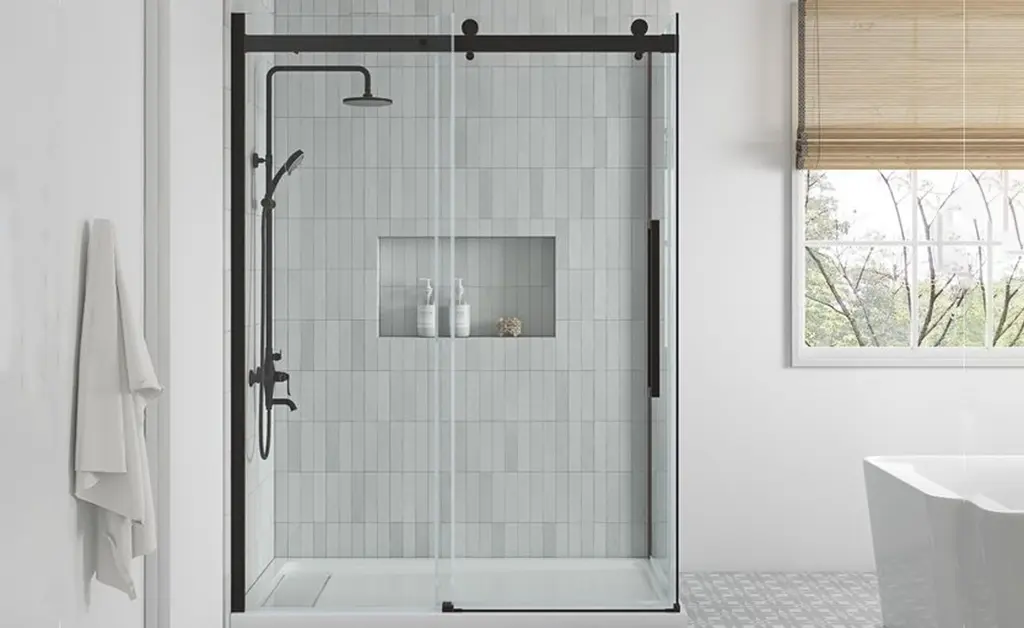
Sliding glass doors save space and offer a clean, modern look. In addition to choosing an appropriate lock, ensure the rollers and track can support the door’s weight and thickness. DK Hardware cautions homeowners to match the lock to the door material and to consider features like keyless entry or smart integration for convenience. When replacing a sliding lock, the article recommends removing the old lock, measuring the center‑to‑center distance of mounting holes, installing the new hardware and adjusting the hook projection so the door closes tightly.
Swinging and Pivot Doors
For hinged glass doors, the pivot system determines how the panel moves. Center‑hung pivots allow the door to swing in both directions and hide the hardware within the floor and header, giving the glass a frameless appearance. They work best with moderate‑weight doors. Offset pivots position the pivot near the face of the door and support heavier panels; they swing in a single direction and are common on entry doors. The Icon Windows & Doors guide advises installers to measure and mark pivot locations carefully, mortise the door and frame to recess the hardware and use intermediate pivots on tall or heavy doors. Regular maintenance—cleaning pivot bearings and lubricating moving parts—keeps the door operating smoothly.
Barn, Pocket and French Doors
Sliding glass barn doors have become a popular alternative to hinged doors. FGD Glass notes that modern barn‑door systems pair decorative tempered glass panels with machined hardware in finishes such as brushed, polished or antiqued metal. Single or double barn doors are available, and pocket systems hide the track within the ceiling so the glass remains the focal point. Tempered glass improves safety and the compact sliding action makes barn doors ideal where space is limited. Designers can customize the panels with etched patterns, laminated colors or full‑color printing to add privacy or branding. Hardware kits come in enclosed, exposed or telescopic styles with finishes ranging from chrome and satin to bronze and black; many include soft‑close mechanisms to prevent slamming. For more traditional French doors, choose multi‑point locks that engage at the top and bottom of each leaf and use narrow‑profile hinges to maintain the slim sightlines of the glass.
Enhancing Security
High‑Security Locks
On exterior glass doors, choose locks designed to deter forced entry. DK Hardware recommends locks with anti‑lift pins and multi‑point mechanisms, which engage the frame at multiple points to resist prying. Smart locks can integrate with home automation systems, while keyed mechanical locks remain popular for their reliability. Always confirm the lock is compatible with the door’s thickness and material and follow the manufacturer’s installation instructions.
Applying Security Film
Security film adds an extra layer of protection by holding broken glass together. Brittany Bailey’s step‑by‑step tutorial for Pretty Handy Girl explains how to apply it: measure each pane and cut the film slightly smaller than the opening (about 1/8 inch clearance); clean the glass thoroughly with soapy water and a razor blade to remove all dirt; spray the window with a soap‑and‑water solution; then peel back the film’s liner and position the sticky side onto the glass. Press from the middle outward while the surface is still wet to remove bubbles and use a squeegee to push out air and liquid. Wipe away excess moisture and repeat for each pane. The film is nearly invisible once installed and also protects the glass from accidental impacts.
Creative Applications
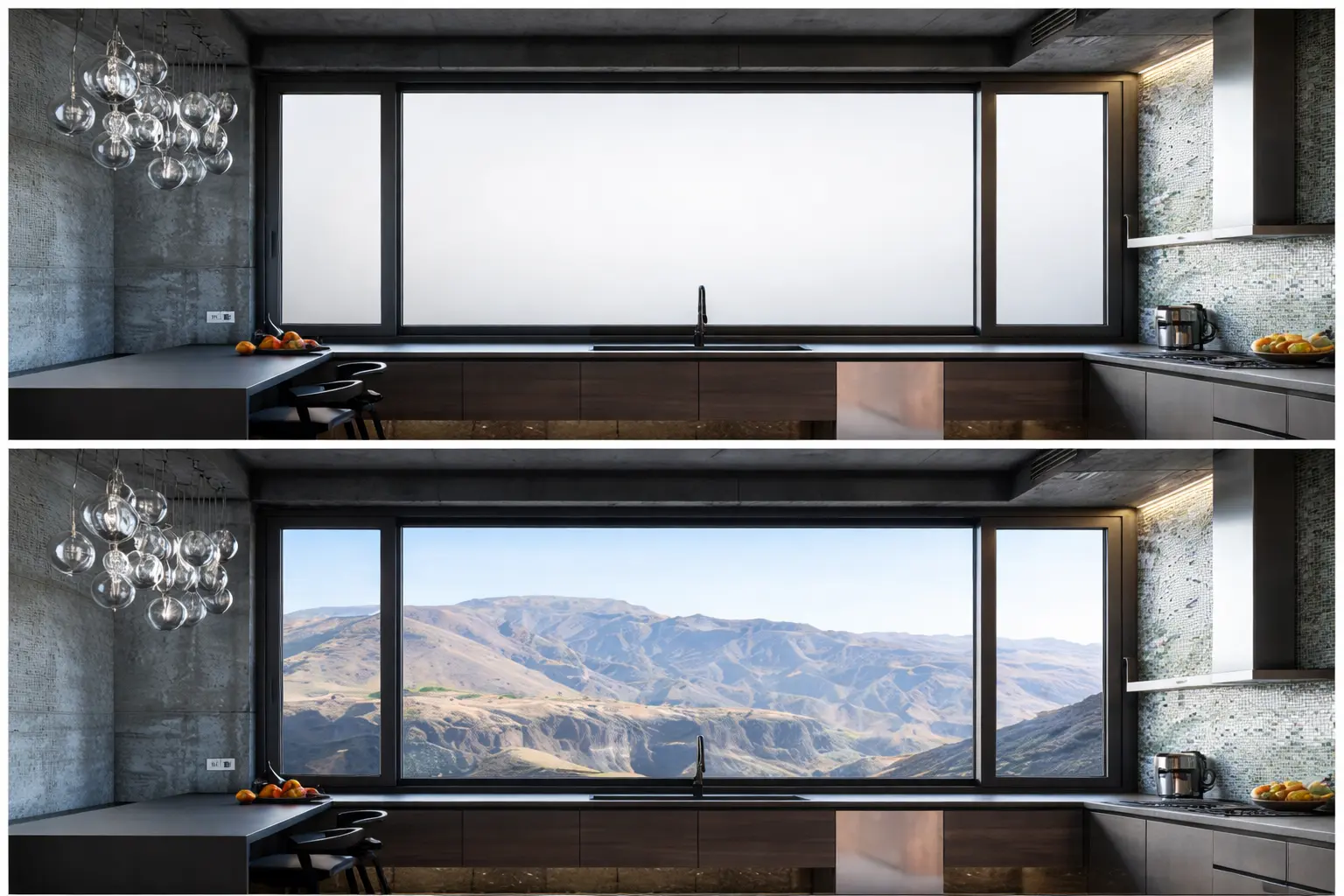
Glass hardware isn’t limited to standard doors. Sliding barn‑door systems can create dramatic room dividers in living areas, hotel suites or conference rooms, while pocket‑door hardware hides panels inside walls for a minimalist look. Designers use etched or frosted panels to maintain privacy in bathrooms and offices, and full‑height glass doors with soft‑close hardware provide sleek transitions between interior spaces. Even traditional French doors can benefit from modern hardware—narrow back‑to‑back pulls, concealed hinges and multi‑point locking increase security without compromising the open feel.
Troubleshooting and Maintenance
Even with quality hardware, glass doors may develop operational issues over time. Guangdong SVA Precision Technology outlines several common problems and their solutions:
Misalignment
If a door drags on the floor or fails to close properly, check whether the hinges or pivots are securely tightened and correctly positioned. Loosen the screws, adjust the hinge alignment and re‑tighten. Worn or undersized hinges should be replaced with appropriately rated hardware.
Squeaking Hinges
Rust or dirt buildup can cause squeaking. Clean the hinges with a mild detergent and apply a silicone‑based lubricant to reduce friction. Choosing corrosion‑resistant stainless steel or brass hinges helps prevent rust.
Loose or Wobbly Hinges
If a door feels unstable, tighten all hinge screws and inspect the mounting holes. Reinforce stripped holes with wooden plugs or switch to heavy‑duty hinges.
Stiff Movement
Tight hinges or mineral deposits can make glass doors hard to open. Loosen the screws slightly and clean the hinges with a vinegar solution to dissolve mineral buildup. Replace worn hinges when needed.
Corrosion
Moist environments can corrode metal hinges. Use stainless steel or brass hardware to resist rust and wipe moisture from the hinges regularly. Applying an anti‑rust spray offers extra protection.
Regular inspection and maintenance—tightening hardware, lubricating moving parts and cleaning the glass—extend the life of both the door and its hardware. Addressing minor issues promptly prevents them from becoming safety hazards.
Conclusion
Glass doors add light, openness and modern style to homes and offices, but they depend on well‑chosen hardware for safety and longevity. Understanding the differences between hinges, pivots and locks helps you match the hardware to the door’s size, weight and intended use. Whether installing a space‑saving sliding door, a statement barn door or a traditional French door, consider security features like multi‑point locks and security film, choose durable materials and maintain the hardware regularly. With proper selection and care, glass door hardware can provide years of smooth, secure operation and elevate the aesthetics of any space.