
Glass hardware plays a crucial role in modern architecture and interior design. It not only holds glass panels safely but also contributes to the overall aesthetic of doors, windows and furniture. With the wide range of hinges, clamps, handles and locks available today, choosing the right hardware can feel overwhelming. Important considerations include the style of your space, the weight and type of the glass, functionality requirements and long‑term maintenance. This guide breaks down the key factors to help you select hardware that will look great and perform reliably.
Factors to Consider When Choosing Glass Hardware
Consider the Glass Type and Thickness
The type of glass used in your project determines which hardware will work. Tempered glass is heat‑treated to be four to five times stronger than standard annealed glass and breaks into small pebble‑like pieces when shattered. Laminated glass consists of two or more glass sheets bonded with a plastic interlayer; if it breaks, fragments adhere to the interlayer and remain in place. Laminated glass offers additional safety and security, though it is heavier and more expensive than tempered glass. Hardware designed for tempered glass often clamps directly onto the glass edges, while laminated panels may need deeper channels or bolts to account for the thicker multi‑layer construction.
The thickness of the glass also matters. Shower and bathroom doors typically use 8–10 mm tempered glass; 10 mm has about 20 % greater bending strength than 8 mm and resists sagging better on tall doors. Sliding door tracks are usually rated for around 50 kg; 10 mm glass (≈ 25 kg per m²) provides smoother sliding and longer track life than lighter 8 mm glass. Extra‑large doors (≥ 90 cm wide or ≥ 2.4 m tall) often require 12 mm glass for sufficient rigidity.
Use Quality Materials
Hardware must withstand frequent use, humidity and possible temperature changes. High‑quality materials such as stainless steel, brass or aluminum resist corrosion and wear. Rust‑proof hinges use materials like stainless steel, brass or zinc‑plated steel with protective coatings, making them suitable for bathrooms or coastal areas. When choosing patch fittings (metal plates that connect glass panels to frames), select low‑maintenance materials like stainless steel, and verify that finishes are UV‑resistant and compatible with the building environment.
Match Hardware to Style and Aesthetics
The hardware should complement the look of your space. Modern interiors tend to favor minimalist profiles with clean lines, concealed fasteners and neutral finishes like brushed nickel or matte black. Warm tones and earthy finishes—oil‑rubbed bronze or unlacquered brass—are trending in 2025–2026 because they add a touch of luxury and warmth. Designers increasingly mix and match different styles (e.g., sleek levers paired with crystal knobs) to create custom looks. Statement entry sets with large pulls and dramatic finishes turn the door hardware into a focal point, while smart locks integrate keyless access with stylish design.
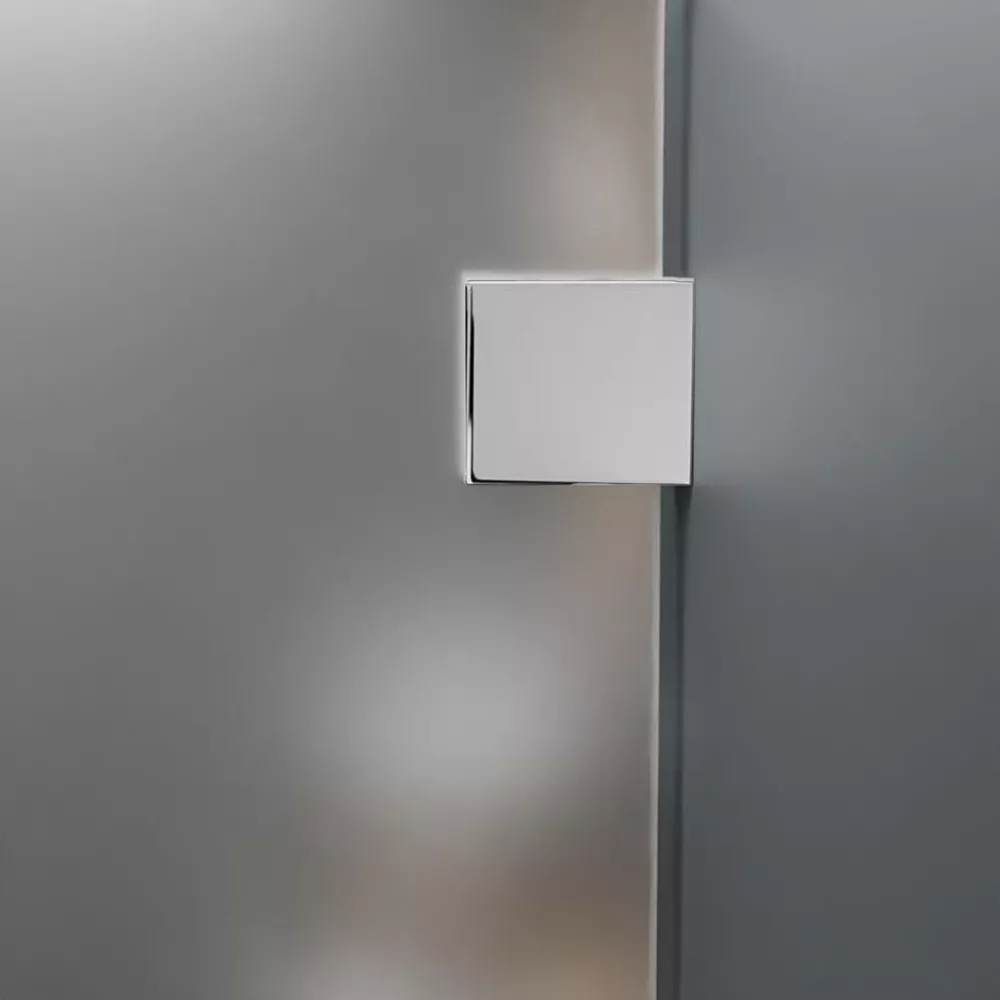
For frosted or patterned glass, consider hardware finishes that complement the glass treatment. Clear glass is neutral and pairs well with any finish from chrome to matte black, whereas obscure or acid‑etched glass may look best with soft‑satin or warm metallic finishes. Matching colour temperatures (warm with warm, cool with cool) and repeating each finish in two or more places help keep mixed hardware cohesive.
Weigh Capacity and Load Ratings
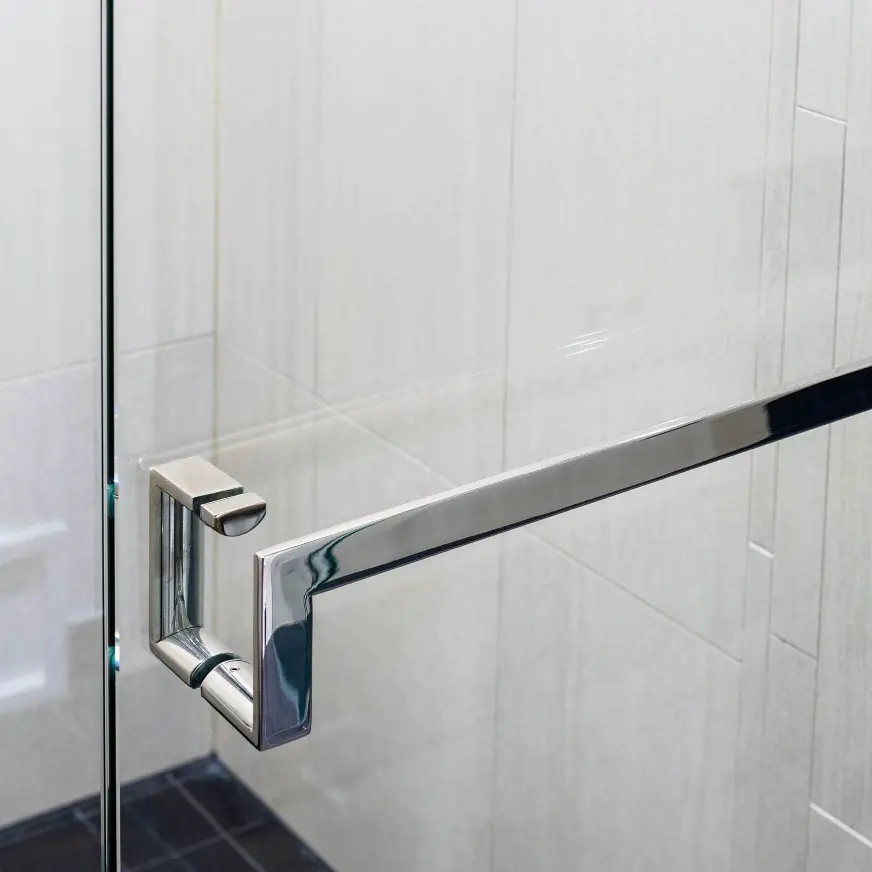
Glass doors and panels are heavy. To avoid sagging or unsafe installations, hardware must be rated for the weight of the glass. A 90° wall‑to‑glass hinge typically supports 40 kg per pair when used with 8–12 mm glass. Manufacturers provide load capacity tables that take into account factors such as door size, number of hinges, hinge spacing and frame material. European standard EN 1935 recommends using three hinges and loading each with one‑third of the declared weight. Always check product specifications and choose hinges, clamps or tracks that exceed the calculated door weight. For sliding doors, ensure the track’s load capacity (often ≤ 50 kg) matches the total weight of the panels.
Ensure Safety and Functionality
Safety features like anti‑slip grips on handles, secure locks and self‑closing hinges can prevent accidents, especially on glass railings and shower doors. In humid environments, select corrosion‑resistant hardware and consider protective finishes to prevent deterioration. When mixing finishes (e.g., brass hinges with black handles), repeat each finish in multiple places to maintain a balanced look.
Consider Future Trends and Sustainability
Modern fittings emphasise minimalist design and robust materials like stainless steel and aluminum. Future trends highlighted by designers include:
- Warm, earthy finishes such as unlacquered brass and oil‑rubbed bronze for a timeless, luxurious feel.
- Mixing and matching styles to create custom looks.
- Minimalist profiles with concealed fasteners to maintain a calm interior.
- Statement hardware with oversized pulls and bold finishes as focal points.
- Smart hardware integration to provide keyless access while maintaining aesthetic quality.
Sustainable materials and advanced corrosion‑resistant coatings are also gaining popularity as homeowners seek eco‑friendly options.
Matching Hardware to Different Glass Types
Tempered Glass
Tempered (toughened) glass is strong and heat‑resistant; it breaks into small cube‑like pieces that are less likely to cause injury. It is commonly used for frameless shower doors, entry doors and interior partitions. Because it must be cut to size before tempering and cannot be reworked later, hardware holes and cut‑outs need to be planned early. Hinges, clamps and locks designed for tempered glass often have slim profiles and compression gaskets that grip the glass securely without drilling.
Laminated Glass
Laminated glass sandwiches a plastic interlayer between glass sheets; if it breaks, shards stick to the interlayer to reduce injuries. It offers superior sound insulation and security because it is harder to breach, making it ideal for glass railings, storefronts and partitions. Laminated panels are thicker and heavier than tempered panels, so choose hardware with greater load capacity and deeper channels or bolts to accommodate the interlayer. The interlayer also allows for decorative inserts (metals, textiles, colours), so finishes should complement the chosen design.
Clear vs. Obscure (Frosted) Glass
Clear glass visually expands a space and showcases tilework; its neutral appearance works with any hardware finish from chrome to matte black. Obscure glass (acid‑etched, sand‑blasted or patterned) adds privacy. For frosted panels, consider finishes that coordinate with the glass texture—soft satin nickel, bronze or warm brass are popular—while ensuring that brackets or clamps do not visually dominate the panel. Custom sand‑blasted or etched designs can combine clear and frosted areas to balance privacy and openness.
Maintenance and Care Tips
Proper maintenance keeps glass hardware safe and attractive. Follow these guidelines:
Regular Cleaning
Dirt, dust and water spots can cloud glass and damage hardware. Clean glass surfaces with a mild, non‑abrasive glass cleaner or a mixture of water and vinegar and wipe with a soft microfiber cloth. Avoid ammonia‑based cleaners, which can damage tinted or treated glass, and dry the glass to prevent water spots. Stainless steel hardware can be cleaned with soap, detergent or ammonia‐based household cleaners followed by rinsing with clean water; avoid abrasive pads and high‑chloride cleaners to prevent scratching and pitting.
Lubricate Moving Parts
Check hinges, pivot points, handles and locks for signs of wear. Apply a silicone‑based lubricant or light machine oil to moving components to ensure smooth operation. Avoid petroleum‑based products, which attract dirt and cause damage. If hinges squeak or become stiff, they likely need lubrication or adjustment.
Inspect and Tighten Hardware
Screws, fasteners and patch fittings can loosen over time. Inspect and tighten them regularly using the appropriate tools. Replace worn components promptly to maintain safety.
Prevent Water Damage
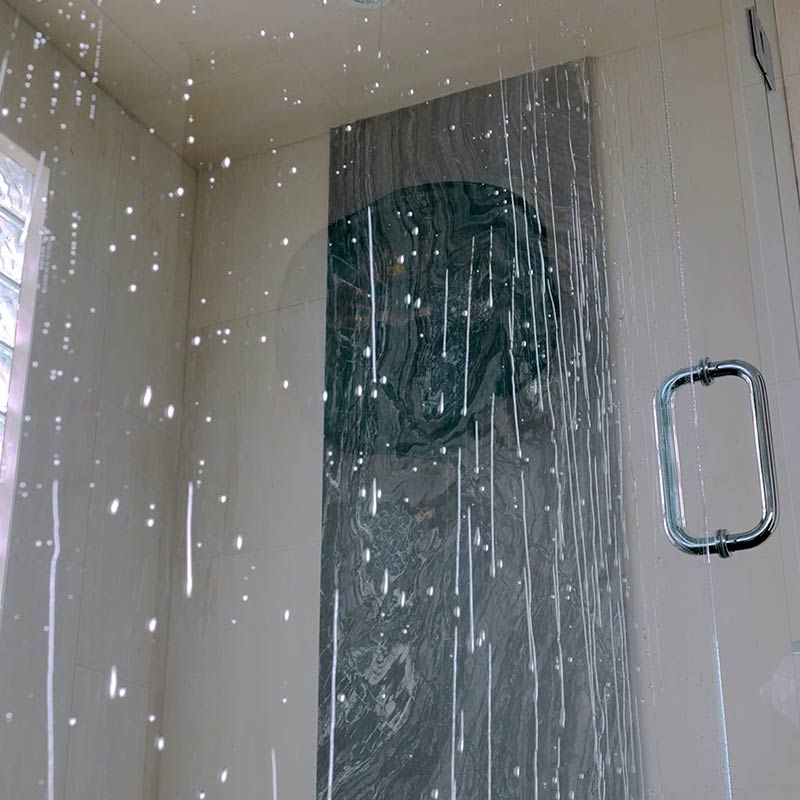
In humid areas like bathrooms, water exposure can corrode hardware and stain glass. After showering, squeegee the glass to remove droplets and reduce mineral deposits. Ensure proper drainage around exterior doors and consider applying a water‑repellent treatment to glass surfaces. For coastal or salt‑water environments, rinse hardware with fresh water to remove salts.
Handle Glass Carefully
Avoid slamming glass doors; use both hands to open or close them to distribute pressure evenly. Install soft‑close systems or door stoppers to prevent impact damage. Keep sharp or heavy objects away from glass surfaces.
Avoid Harsh Chemicals
Never use bleach, strong acids or harsh chemicals on glass or metal hardware, as they can corrode finishes and damage the glass. Use gentle pH‑neutral cleaners or natural alternatives like baking soda and water. Rinse thoroughly and dry to prevent residue.
Adjust Alignment and Schedule Professional Inspections
Over time, doors can sag or misalign due to frequent use. Inspect hinges and brackets and adjust alignment using the hardware’s adjustment screws. If adjustments do not fix the issue, consult a professional installer. For large or heavy doors, have a professional inspect alignment at least annually. Professional inspections can also detect wear or damage early and recommend repairs.
Conclusion
Selecting the right glass hardware involves more than just picking an attractive handle. You need to evaluate the type and thickness of glass, ensure hardware can support the weight and size of your panels, choose materials and finishes that resist corrosion, and match the style of your space. Understanding the differences between tempered, laminated and frosted glass helps you pick compatible clamps, hinges and locks, while staying aware of current design trends ensures your hardware looks fresh for years. Finally, regular cleaning, lubrication and inspection will keep your glass doors, windows and furniture functioning smoothly and looking pristine. Thoughtful hardware selection and care will enhance the safety, performance and beauty of your glass installations.